October 9, 2026 · Selling
Key Takeaways
- The market has cooled, so current data matters more than memory. The Naples Area Board of REALTORS (NABOR) August 2026 report put the Naples area median closed price at $575,000, down 1.7 percent year over year, with median days on market at 99.
- Timing follows the snowbird season. Naples' seasonal population grows by roughly 20 percent from about November through April, and the strongest buyer demand concentrates between January and March.
- Prepare with a builder's eye. Roof age, impact protection, AC age, seawall condition, and the elevation certificate are the items inspection and negotiation will surface anyway.
- Every neighborhood sells differently. Olde Naples (34102) sells land and walkability, Park Shore (34103) sells beachfront and views, and Pelican Bay (34108) sells the master-planned club lifestyle.
- Overpricing is the most expensive mistake a seller can make. Homes sit longer, buyer feedback turns negative, and the eventual price usually lands below a realistic starting ask.
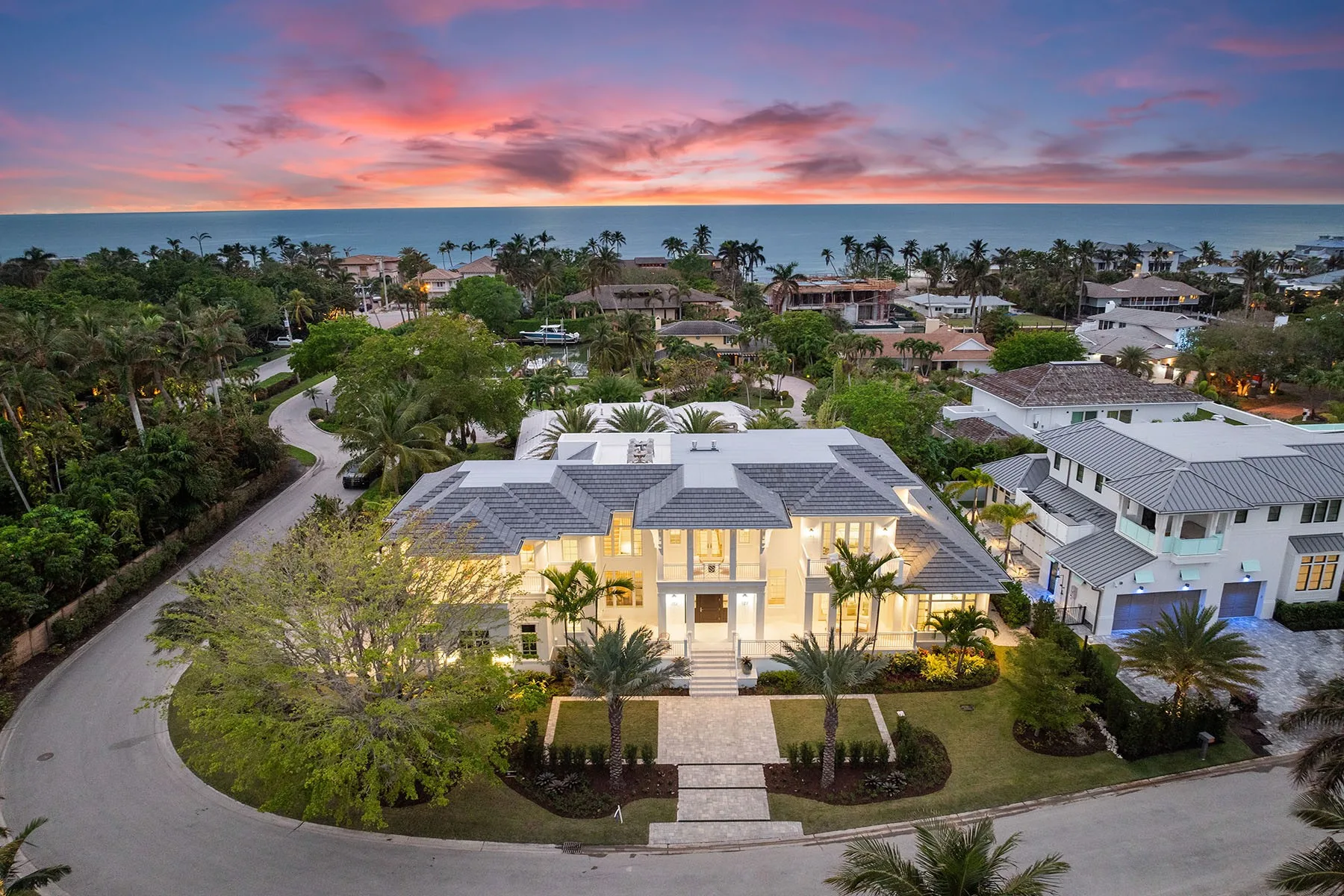
Selling a home in Naples comes down to three things: pricing from current market data, timing the listing for the season, and preparing the property with a builder's-eye review before it ever hits the market. Get all three right and you maximize the highest realistic price in the shortest realistic time. Get one wrong and the market corrects you with elapsed days, price cuts, and buyers who have already moved on.
How Do You Sell a Home in Naples?
In my practice, every listing follows the same sequence no matter the price point. First comes a complete evaluation of the property: construction, condition, systems, site, and what the lot itself is worth. Next comes pricing built from actual closed sales in the same neighborhood. Then we prepare the home with purpose, fix what buyers' inspectors will find, and only then launch the marketing and negotiation process to the Naples buyer pool. Nearly 40 years full-time in real estate and a license as a Certified Building Contractor mean I look at a listing the way a builder looks at a job site, from the foundation up.
Sellers often underestimate how much of a successful listing is process. Buyers in Naples ask the same questions at every price point: What does the history show? What is the roof? What does the flood file say? Is the work permitted? A listing that answers those questions clearly from day one attracts a better class of offer than one that leaves buyers guessing.
What Is a Naples Home Worth Right Now?
The market has shifted from the frenzy of the last few years into a more balanced, data-driven one. The most recent verified market report from the Naples Area Board of REALTORS (NABOR), covering August 2026, put the median closed sale price for the Naples area at $575,000, down 1.7 percent from a year earlier, with median days on market at 99. Prices have edged down and homes now take longer to sell than they did at the peak.
Inside the City of Naples proper, the picture is very different, because that is where most of the luxury and waterfront inventory sits. Redfin's city-level market data, covering the three months ending August 2026, shows a median sale price in the area of $1.2 million for Naples. A $575,000 area-wide median and a $1.2 million city median are separated by exactly what you would expect: neighborhood, water frontage, lot size, and construction quality.
The takeaway is that market-wide medians are context, not a price. A canal-front home in Port Royal, a walk-to-beach cottage in Olde Naples, and a golf-view villa in The Vineyards share a city but share almost nothing in value. Pricing them correctly takes recent, genuinely similar sales in the same neighborhood, adjusted for condition, updates, water access, and redevelopment potential. I walk through the full process from valuation to closing in my Naples seller's guide.
When Is the Best Time to Sell in Naples?
Naples is a seasonal market, and the season follows the snowbirds. Roughly from November through April, the city's population swells by about 20 percent as seasonal residents and second-home buyers arrive from the Northeast and Midwest, and that influx drives the demand curve. The strongest window for sellers is the heart of the season, roughly January through March, when the largest pool of qualified buyers is in town, actively looking, and ready to write offers. Homes listed in October and November can work well too, because they capture the buyers who arrive early.
Selling outside the season is not a mistake, but it is a different game. From about May through October there are fewer buyers, so the market turns slower and more price-sensitive; the buyers who do look then are usually serious. One seasonal caution applies to every waterfront listing: hurricane season runs June 1 through November 30, and a property with strong impact protection and a recent roof answers buyers' questions before they are asked.
The Neighborhood Changes the Strategy
No two Naples neighborhoods sell the same way, and a good plan starts with understanding what your particular zip code is really selling. In Olde Naples (34102), the sale is often the land as much as the house: the original townsite's fixed supply of walk-to-beach parcels carries the value, buyers include redevelopers weighing teardowns, and the Fifth Avenue South and Third Street South lifestyle sells the neighborhood.
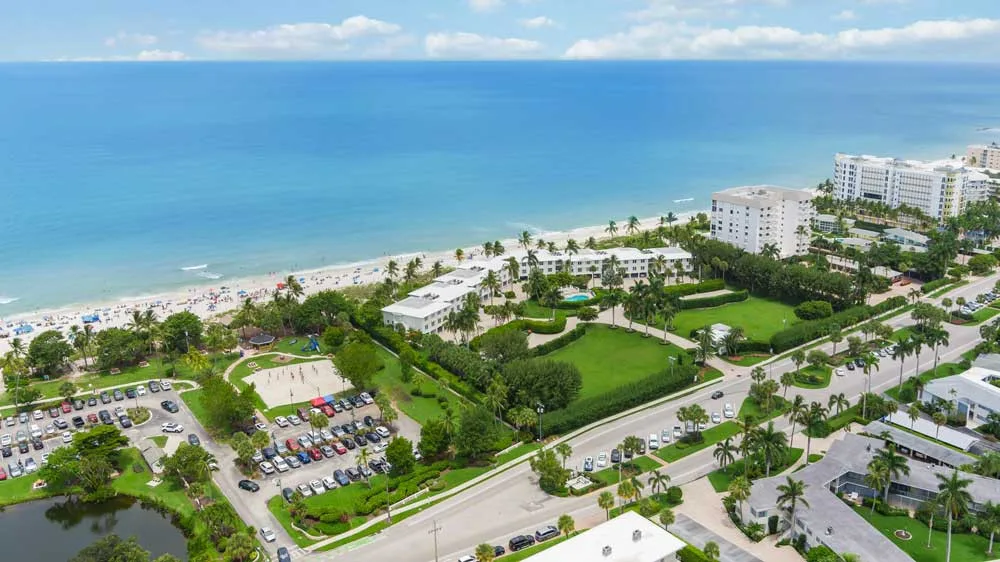
Park Shore (34103) is the beachfront address: condominiums and single-family homes with private beach access, where the view and the building's condition drive the price more than interior finishes, and buyers read the association's financials as closely as the countertops. Further north, Pelican Bay (34108) sells the master-planned lifestyle: three miles of private beach, tram-served beach clubs, and a property mix that runs from condominiums to estate homes.
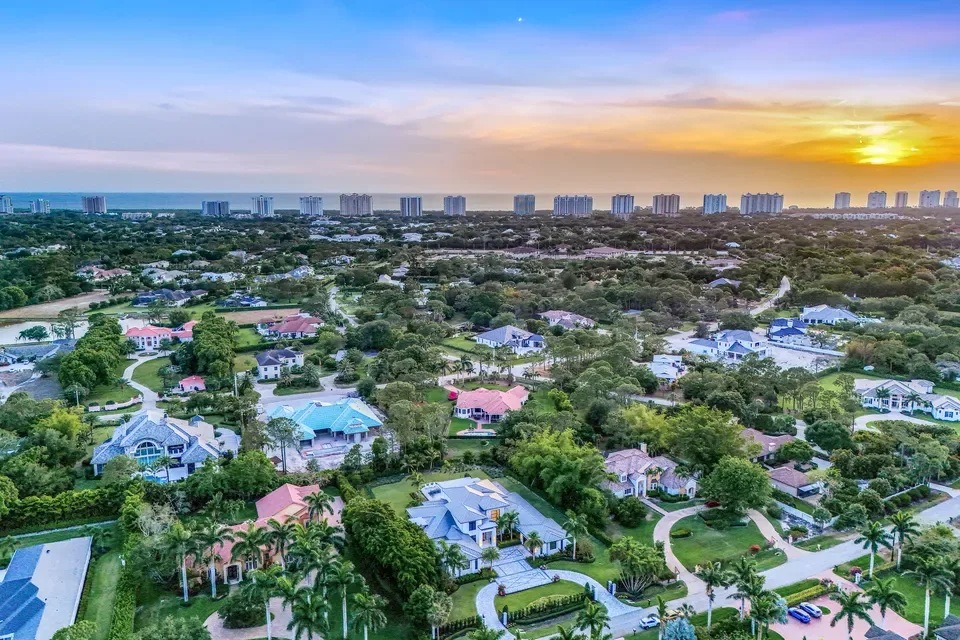
The canal and deep-water communities add another layer. In Aqualane Shores, Port Royal, The Moorings, and Coquina Sands, buyers purchase boat access first: dock depth, seawall condition, bridge-free Gulf routes, and boat lift capacity set the price, and the house is the second half of the sale. Sellers there should lead marketing with the water story and have depth and dock facts ready, because serious boaters ask on the first call. Further north, Bonita Springs and Estero serve buyers who want the same coastal lifestyle at different price points. You can compare the communities in my Naples neighborhood guides.
What to Fix Before You List: A Builder's Checklist
Most sellers ask whether they should renovate before listing. Usually the answer is no, not in the cosmetic sense. What you should do is find and fix the items that buyers' inspectors will uncover anyway, because every one you find first is a negotiation point you keep. I detailed how to read these systems in my article on understanding construction quality in Naples luxury homes; here is the short seller's version.
Roof age drives insurance eligibility and premiums in Florida, and it is one of the first questions buyers and lenders ask. Impact-rated windows and doors, or shutters, directly affect insurance cost and hurricane readiness. AC systems and water heaters run hard here and fail visibly, so disclose their age or replace them deliberately. And unpermitted work is the quiet deal-killer in Naples: additions, lanais, pools, and dock work built without permits surface during the sale and create delays, so pull the permit history early.
For canal and waterfront sellers, add the seawall to the list: cracks, bulges, or exposed rebar are a six-figure replacement for whoever owns the property when it fails, so its condition belongs in your pricing from day one. A pre-listing inspection from a qualified, licensed inspector is worth it on almost every home, because it turns the buyer's inspection from a surprise into a script and gives you a written list of what to fix or disclose. If you are debating a renovation versus a rebuild before listing, my framework on renovation versus new construction can help you run that decision on numbers instead of sentiment.
How a Naples Listing Gets Marketed
The strategy above is invisible to buyers; what they experience is the marketing. In Naples that means professional photography, drone and video work for waterfront, canal, and golf properties, staging that shows off a room's scale, and listing copy that leads with the one feature that defines the property, whether that is the dock, the view, or the walk to Fifth Avenue South. In-season buyers want afternoon and weekend appointments; off-season buyers often need video tours.
The distribution matters just as much. A listing lives on the local MLS, where every active agent in the Naples area sees it, and syndication to the national portals extends that reach. The referral network built over nearly 40 years brings qualified buyers who are not browsing the portals at all. The goal is not the most people looking; it is the right people looking at a home priced and presented well enough that they compete.
Flood Zones, the Elevation Certificate, and the Seller's Paper Stack
Much of Naples' most valuable inventory sits in FEMA flood zones, from the Gulf-front towers of Park Shore and Pelican Bay to the canals of Aqualane Shores and Port Royal. For sellers, the paperwork is part of the product. The single most valuable document in your file is the elevation certificate, because it records the finished-floor elevation against the base flood elevation, and that gap drives both flood insurance premiums and lender requirements on the buyer's side. Have it ready, know what it says, and be prepared to explain it. My guide to Naples flood zones and flood insurance explains the zones and the premium math in plain language.
Condominium sellers face a second paper stack: the association's governing documents, reserve study, insurance coverage, and financial history. Buyers and their lenders review these before closing, and an underfunded association surfaces as a special assessment that can unwind a deal. Having the documents organized, current, and ready to share is a genuine competitive advantage in Park Shore, Pelican Bay, and every other association-run community in Naples.
The Price Is the Strategy
In a market where the median home now takes about 99 days to sell, overpricing is the most expensive mistake a seller can make. A home priced above its comparable range does not simply wait for the right offer; it accumulates days on market and showings drop off. Buyers and their agents read elapsed time as a signal, and sellers who chase the market down usually land below a realistic starting price. The opposite is also true: a well-priced, well-prepared home in season can attract multiple offers and close above list.
The discipline is to set the price from the data, not from the number you need to hear. That means reviewing every comparable sale in your neighborhood, weighing condition and water features honestly, and being willing to have the conversation about what the market will actually support before you invest months in a listing that cannot sell. It is the same advice I give on the buy side, reversed: the truth costs less than the lesson.
The Bottom Line
Selling a home in Naples well is a systems problem, and the system has changed: prices are down a little year over year across the area, homes take about three months to sell at the median, the season still runs on the snowbird calendar, and buyers are more careful than they were three years ago. Sellers who price from current data, time the listing for the season, and prepare the property with a builder's-eye review put themselves in the strongest position the market offers.
If you are thinking about selling anywhere from Olde Naples to Pelican Bay, I can put a realistic number in front of you and show you exactly what the property will face in inspection and negotiation, from the roof down to the seawall. Schedule a conversation and we will walk your property the way a builder would before it ever goes to market.
Selling a Home in Naples: FAQ
What is the best time of year to sell a home in Naples?
The strongest selling window runs with the snowbird season, roughly November through April, with peak buyer demand between January and March. The seasonal population grows by about 20 percent during those months, which brings the largest pool of qualified buyers. Listing in October or November can also work well because it captures buyers who arrive before the winter peak.
How much is my Naples home worth?
Worth is set by recent closed sales of genuinely similar homes in your neighborhood, adjusted for condition, updates, water frontage, and lot value. Market-wide numbers are only context: the Naples Area Board of REALTORS reported a $575,000 median closed price for August 2026 across the Naples area, while city-level data for Naples proper runs far higher because it is where most luxury and waterfront property sits. A local comparative market analysis is the only reliable way to price a specific home.
Should I renovate before selling in Naples?
Generally no, not for cosmetic reasons. Buyers' inspectors will check the roof, impact protection, AC systems, permits, and, for waterfront homes, the seawall and elevation, so fix and disclose those items first. Targeted improvements can help in a luxury sale, but the highest return usually comes from repairing what inspection would flag rather than redoing finishes buyers plan to change anyway.
What documents do Naples sellers need to have ready?
For waterfront and flood-zone properties, the elevation certificate is the most important document, because it drives the buyer's flood insurance premium and the lender's requirements. Sellers should also have permit history, roof age and condition records, AC and water heater ages, and, for condominium sellers, the association's financials, reserves, and insurance documents organized and current before the home goes live.
How long does it take to sell a house in Naples?
The Naples Area Board of REALTORS reported a median of 99 days on market for August 2026, so a typical listing takes roughly three months at the median. Well-priced, well-prepared homes in season can sell much faster, often within weeks, while overpriced or poorly prepared listings routinely run well beyond the median as the market signals a price correction.

Written by Jim Chambers
Jim Chambers is a licensed Certified Building Contractor and Florida REALTOR® with nearly 40 years in residential, commercial, and investment real estate. He helps Naples sellers price, prepare, and present property from a builder's perspective, from Olde Naples to Pelican Bay. FL License SL3299191. Read his full story.
Thinking About Buying or Selling in the Naples Florida?
Whether you're buying your first waterfront home, selling a luxury property, or simply want to know what your home is worth, I'm here to help. As a local Naples REALTOR®, I provide expert guidance, market insights, and personalized advice throughout the Naples Florida.